Autumn Leaves to Garden Gold: Composting Fall Leaves (and When to Mulch Instead)
By Kristin Ruffin
Under the Oaks: Nature’s Inspiration
In a previous article, I marveled at how dark, crumbly, and incredibly fertile the soil is beneath old oak trees. Years of fallen leaves had created a rich layer of humus, teeming with life, that made me wonder: Could I recreate that magic in my own garden? That curiosity led me to explore composting and mulching fall leaves—two simple practices that turn autumn’s litter into “garden gold.” Instead of hauling bags of leaves to the curb, I discovered that we can transform them into a free, nutrient-rich resource for our yards. This comprehensive guide will show you how.
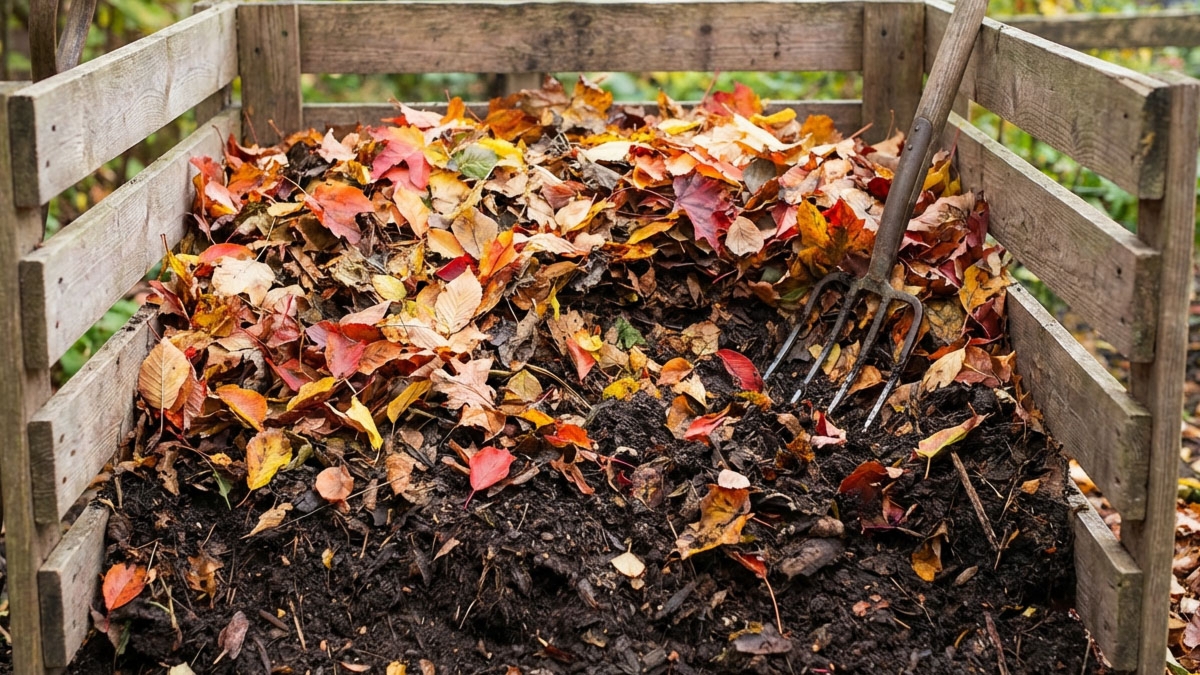
We’ll cover how to compost fall leaves effectively (step-by-step), best practices to speed up decomposition, tools and materials you’ll need, and common mistakes to avoid. We’ll also compare composting vs. directly mulching with leaves, and explain when you might choose one method over the other. By the end, you’ll know exactly how to turn those piles of fall leaves into something your garden will thrive on—just like the forest floor under that old oak.
Why Compost Fall Leaves? The Benefits
Composting fall leaves is one of the most practical and sustainable things a gardener or homeowner can do. Here’s why these dry leaves are worth their weight in gold for your garden:
- Nutrient Recycling into “Black Gold”: Fallen leaves contain all the nutrients that trees drew from the soil over the seasons. By composting them, you return those nutrients back to your garden soil in the form of rich, dark compost. This leaf compost improves soil fertility, structure, and organic matter content, leading to healthier plant growth.
- Improved Soil Structure & Moisture Retention: Leaf compost (and its cousin, leaf mold) greatly enhances soil structure. Working composted leaves into soil makes heavy clay soils looser and better drained, and helps sandy soils hold moisture longer. The compost increases the soil’s ability to retain water like a sponge and improves aeration, creating a better environment for roots.
- Free Organic Fertilizer: Using compost means you rely less on store-bought fertilizers or mulch. You’re literally making your own soil amendment for free, from yard waste. Mixed into garden beds, leaf compost adds essential nutrients (like nitrogen, phosphorus, potassium, and micronutrients) back into the soil in a slow-release, plant-available form.
- Reduces Waste & Environmental Impact: Instead of sending bags of leaves to the landfill (where they break down without oxygen and can produce methane, a potent greenhouse gas), composting keeps this organic matter in your yard’s natural cycle. It significantly cuts down yard waste hauling. In short, composting leaves turns a disposal problem into an ecological asset.
- Saves Money on Mulch and Soil Amendments: Every bag of homemade compost is one less bag of mulch or fertilizer to buy. Come spring, you can top-dress your flower beds and veggie gardens with your finished leaf compost instead of purchasing peat moss or manure.
- Mimics Nature & Supports Soil Life: When you compost leaves, you’re imitating the forest’s nutrient cycle. A side benefit is that you’re cultivating beneficial soil organisms. Earthworms, fungi, and microbes thrive in compost-rich soil, further enhancing fertility and helping to suppress some soil-borne diseases.
Tools and Materials You’ll Need
- Fallen Leaves
- Shredding Tool (mulching mower, leaf shredder, or string trimmer)
- Green Materials (grass clippings, kitchen scraps, aged manure)
- Compost Bin or Pile Space (minimum 3 ft x 3 ft x 3 ft)
- Water Source
- Garden Fork or Shovel
- Optional: Compost Thermometer, Tarp or Cover
How to Compost Fall Leaves: Step-by-Step
Step 1: Collect Leaves (and Shred Them) Gather all your fall leaves from lawns, driveways, and gutters. Shred them using a mower or shredder. Shredding speeds up decomposition and prevents matting.
Step 2: Build the Compost Pile (Layer Browns & Greens) Start with a layer of coarse twigs or straw. Add a thick layer of shredded leaves, then a thinner layer of green material. Repeat layers. Aim for a 3:1 ratio of leaves to greens.
Step 3: Moisten and Mix (Maintain Your Pile) Water the pile to keep it as moist as a wrung-out sponge. Turn the pile every few weeks to introduce oxygen and mix materials.
Step 4: Let It Compost (Patience!) Allow the pile to decompose over 3 to 12 months. In cold climates, decomposition may slow during winter and resume in spring.
Step 5: Harvest and Use the Compost Finished compost will be dark, crumbly, and smell earthy. Use it to enrich garden beds, top-dress lawns, or mix into potting soil.
Common Mistakes to Avoid
- Not Shredding Leaves: Leads to matting and slow decomposition.
- All Browns, No Greens: Compost won’t heat up or break down efficiently.
- Letting the Pile Dry Out: Microbes go dormant without moisture.
- Overwatering / Poor Aeration: Causes foul odors and anaerobic conditions.
- Including Prohibited Items: Avoid meat, dairy, oils, and pet waste.
- Not Enough Volume: Small piles don’t retain heat or moisture well.
Composting vs. Mulching Leaves: Which Should You Do?
| Aspect | Composting Leaves | Mulching Leaves |
|---|---|---|
| Process | Mix leaves with greens in a pile to decompose | Shred and spread leaves directly on soil |
| Decomposition Time | 3–12 months | Immediate use, slow breakdown |
| Main Benefits | Rich compost for soil amendment | Weed suppression, moisture retention |
| Effort Required | Moderate | Low |
| When to Choose | For future soil enrichment | For quick garden protection |
Tips for Optimizing Your Leaf Composting
- Stockpile extra leaves for year-round composting.
- Chip or shred branches for faster breakdown.
- Use compost accelerators like blood meal or finished compost.
- Try leaf mold for low-effort composting.
- Use compost in the right places and let it fully mature before applying.
5 Fruitful Takeaways
- Shredding Speeds Success
Shredded leaves break down faster and prevent matting. A mulching mower or leaf shredder is your best friend in fall. - Balance Is Everything
Aim for a 3:1 ratio of leaves (browns) to greens (like grass clippings or kitchen scraps) for a healthy, active compost pile. - Moisture Matters
Keep your compost pile as damp as a wrung-out sponge. Too dry and it stalls; too wet and it smells. - Compost vs. Mulch? Use Both!
Composting creates rich soil amendments for future planting. Mulching offers immediate benefits like weed suppression and insulation. They’re complementary, not competing. - Nature Knows Best
Whether you compost actively or let leaves slowly become leaf mold, you’re tapping into nature’s own soil-building system. Trust the process—your garden will thank you.
You Might Also Like:
Why Keep Your Fall Leaves? Discover the Hidden Benefits
Learn why leaving fall leaves in your garden supports soil health, wildlife, and fireflies, and how to use leaves for mulch and leaf mold.
Fall Bulb Planting For Beautiful Spring Blooms
A complete guide to planting spring-flowering bulbs in fall for vibrant spring gardens, including tips for all climates, soil preparation, and design ideas.
Juglone in Home Gardening: What You Need to Know
Learn how juglone from walnut trees affects garden plants, which species are sensitive or tolerant, and how to garden successfully around juglone-producing trees.
Understanding USDA Hardiness Zones & Growing Seasons: A Practical, No Nonsense Guide
Understand USDA zones and growing seasons. Learn annual vs perennial basics, microclimates, and smart shopping for variety-specific hardiness.
How to Protect Raised Planters in Winter: Cold-Weather Tips
Keep your raised garden beds safe through winter. Learn cold-zone strategies (mulch, covers, microclimates) to shield plants in raised planters from freezing temperatures.