Why Keep Your Fall Leaves? Discover the Hidden Benefits
By Kristin Ruffin
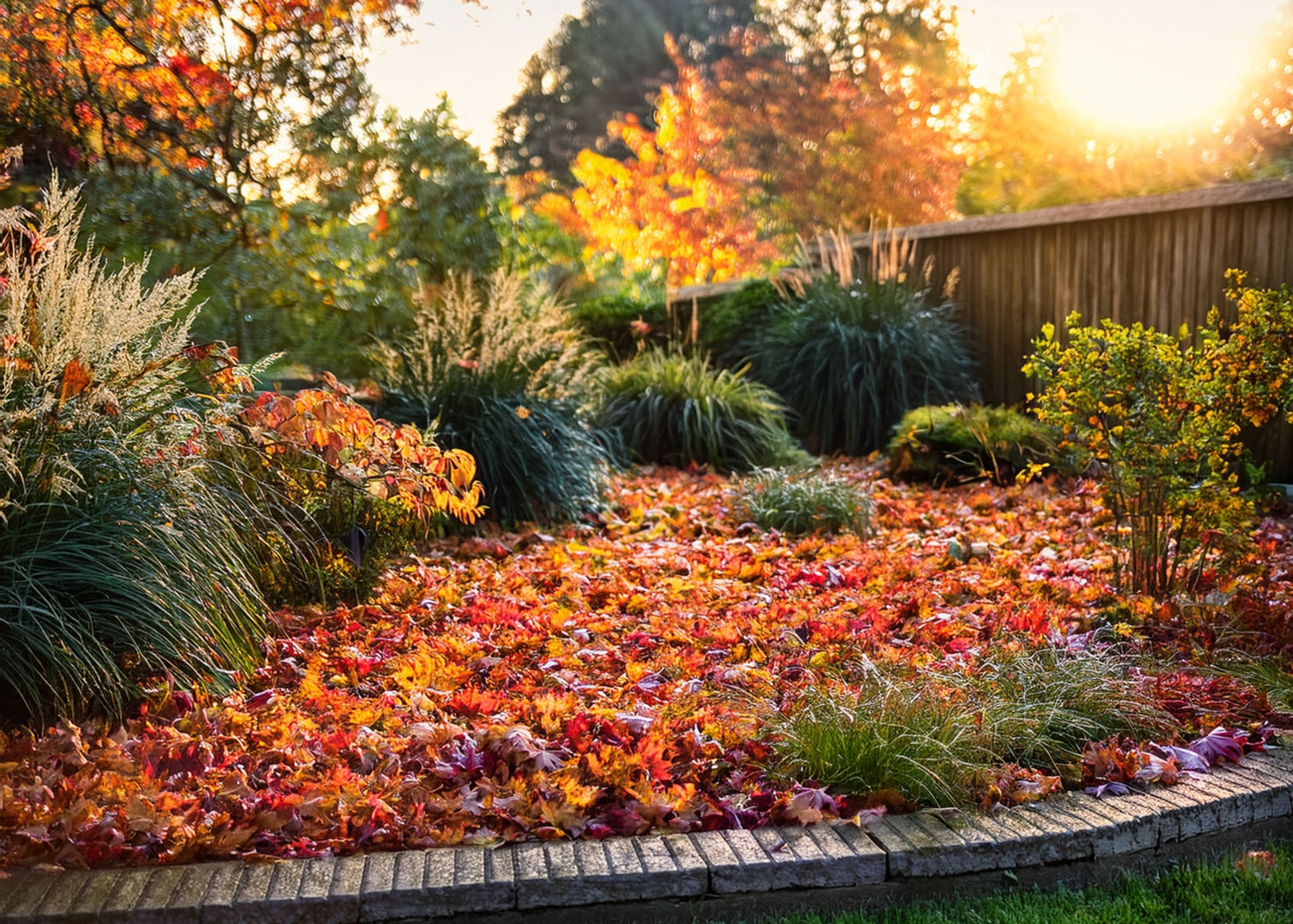 A light, intentional layer of leaves works as free mulch while feeding soil life.
Should you rake your leaves in the fall—or leave them where they land?
The answer might surprise you. Fallen leaves aren’t just yard waste; they’re a free resource that protects your soil, reduces water loss, and creates a thriving ecosystem for wildlife. By keeping some leaves in your garden, you’ll save time, boost soil fertility, and help pollinators survive the winter.
Walking Through Oaks Changed My Mind
One autumn, I walked across a family property shaded by towering oaks. The ground was carpeted in leaves—thick, untouched, and natural. When I knelt down and brushed them aside, I saw soil that was rich, dark, and crumbly. It smelled earthy and alive. My first thought was, “Well, isn’t that interesting… I need to do this more.”
From then on, I stopped bagging every leaf. Instead, I began leaving them where they fell, mulching lightly, and removing only the excess. It’s a balance—enough to protect and feed the soil without smothering plants.
Why Fall Leaves Are Garden Gold
Leaves aren’t just seasonal clutter—they’re a natural resource, and one your landscape gets for free each year.
- Natural mulch & moisture manager. A thin leaf blanket insulates the soil, buffers temperature swings, slows evaporation, and protects roots over winter—just like store-bought mulch, only free. As those leaves break down into leaf mold (a fungi-driven soil conditioner), they can boost water-holding capacity dramatically—some extension guidance cites over 50% increases in water retention.
- Soil structure & tilth. Leaf mold loosens heavy clay, improves drainage in soggy spots, and adds stable organic matter that feeds microbes and earthworms—the quiet engine of fertility.
- Nutrient cycling. Deciduous trees mine minerals deep underground; their leaves return calcium, magnesium, and trace elements to the topsoil. Penn State Extension estimates the leaves of one large shade tree can be worth $50+ of plant food and humus.
- Weed suppression. A light leaf layer blocks light to weed seeds, while keeping soil soft so any intruders are easier to pull.
- Wildlife support. Leaf litter is habitat. Removing it can reduce spring emergence of beneficial invertebrates—experimental work shows Lepidoptera down ~35–45% and spiders down ~50–67% where leaves are removed.
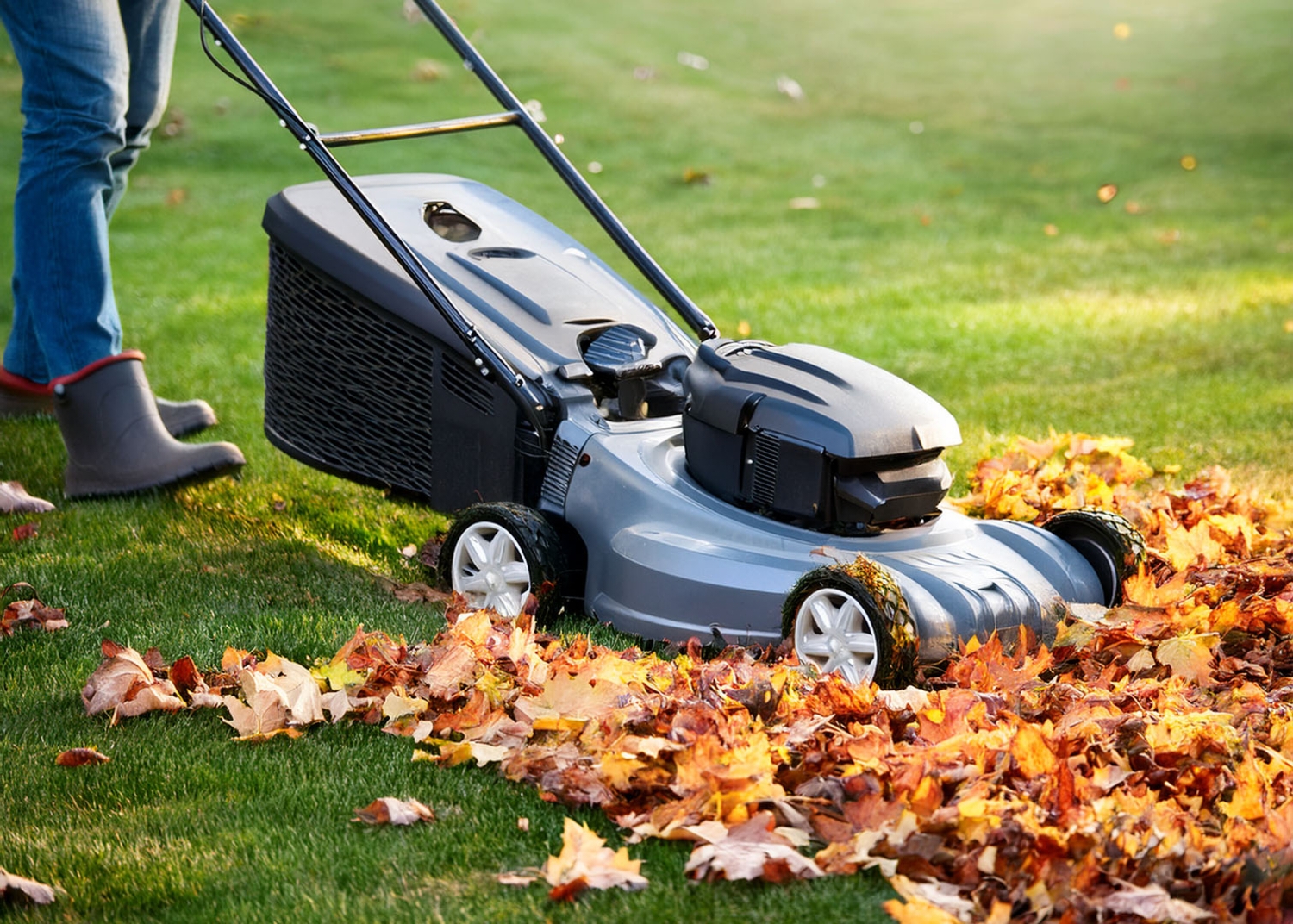 One or two passes with a mulching mower return nutrients to the turf and prevent smothering.
Fireflies Need Our Leaves
Here’s something that really changed my perspective: fireflies (lightning bugs) are under pressure. A 2024 multi-university study analyzing >24,000 surveys found that firefly abundance is shaped by soil, land cover, and climate/weather—with shifting climate patterns emerging as a major driver across regions.
Crucially for gardeners, most of a firefly’s life happens in the leaf layer and topsoil. The larval stage can last 1–2 years, with larvae hunting snails, slugs, and worms in moist leaf litter and soil. When we bag leaves curbside, we often remove not just the habitat, but the eggs and larvae themselves.
Want to help? Keep some whole leaves under shrubs, hedges, and trees over winter (the areas I least disturb). In spring, wait until after the last hard freeze and consistent 50s °F daytime highs before fluffing or thinning mats—timing that gives insects a chance to emerge.
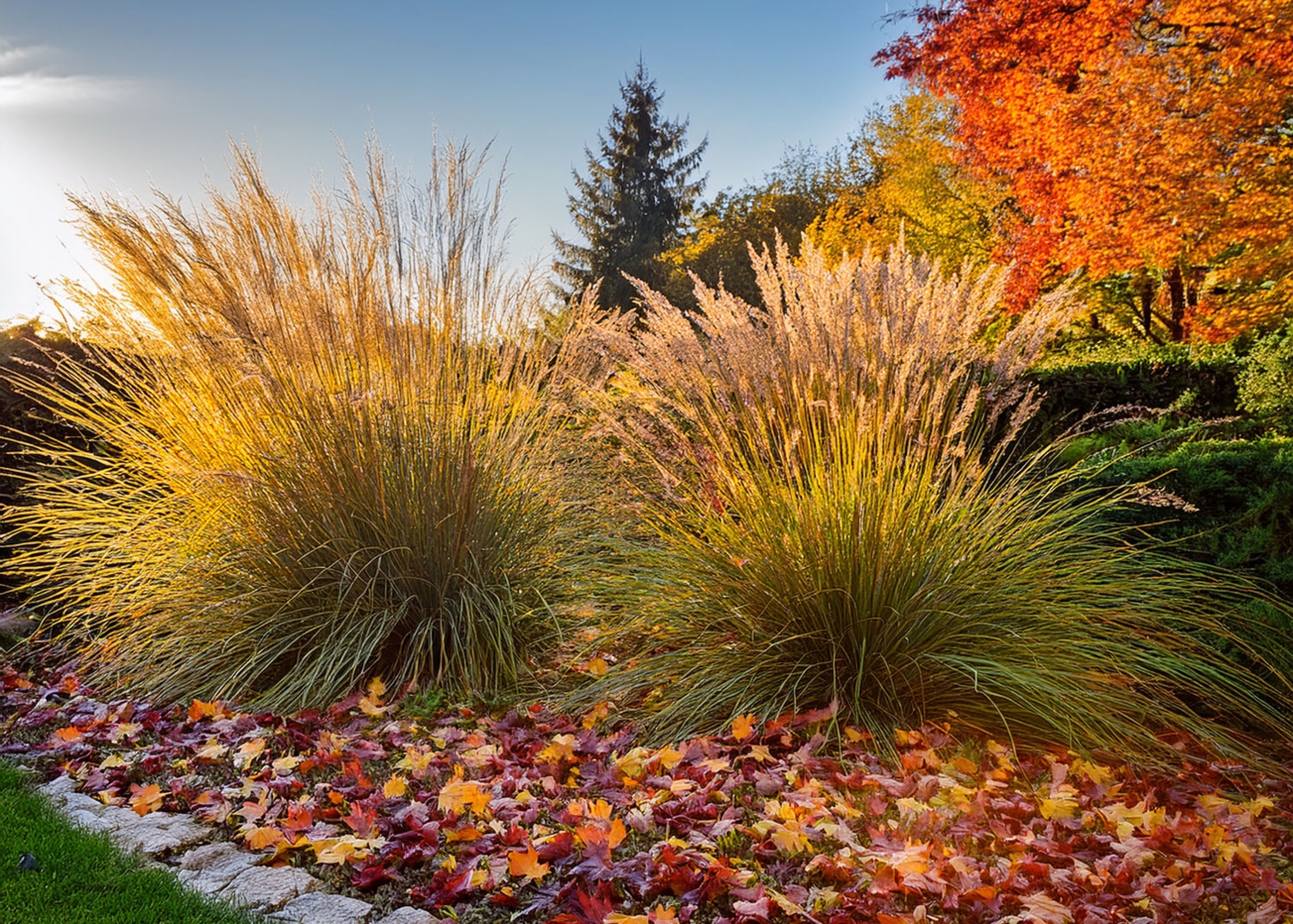 Whole leaves under ornamental grasses provide prime overwintering habitat for fireflies and other beneficial insects.
How I Keep (and Use) Leaves Without the Mess
Over the years, I’ve landed on a simple rhythm:
- Beds & borders: I tuck leaves around perennials and shrubs to a light depth (1–2"). If I have a lot, I alternate whole and shredded layers so the cover breathes and doesn’t mat.
- Wild corners: I intentionally leave a patch undisturbed under shrubs and hedges all winter for fireflies and other beneficials.
- Lawn management: I run a mulching mower once or twice in late fall. The confetti-sized pieces sift into the turf canopy and feed soil life—no smothering.
- Leaf-mold bin: Extras go in a wire bin or vented bags. Kept moist, the pile turns into dark, spongy leaf mold in 6–12+ months (whole leaves take longer). Why leaf mold matters: Leaf mold is fungi-led (different from hot compost) and phenomenal for water retention, soil structure, and microbial habitat—one reason forest soils are so resilient.
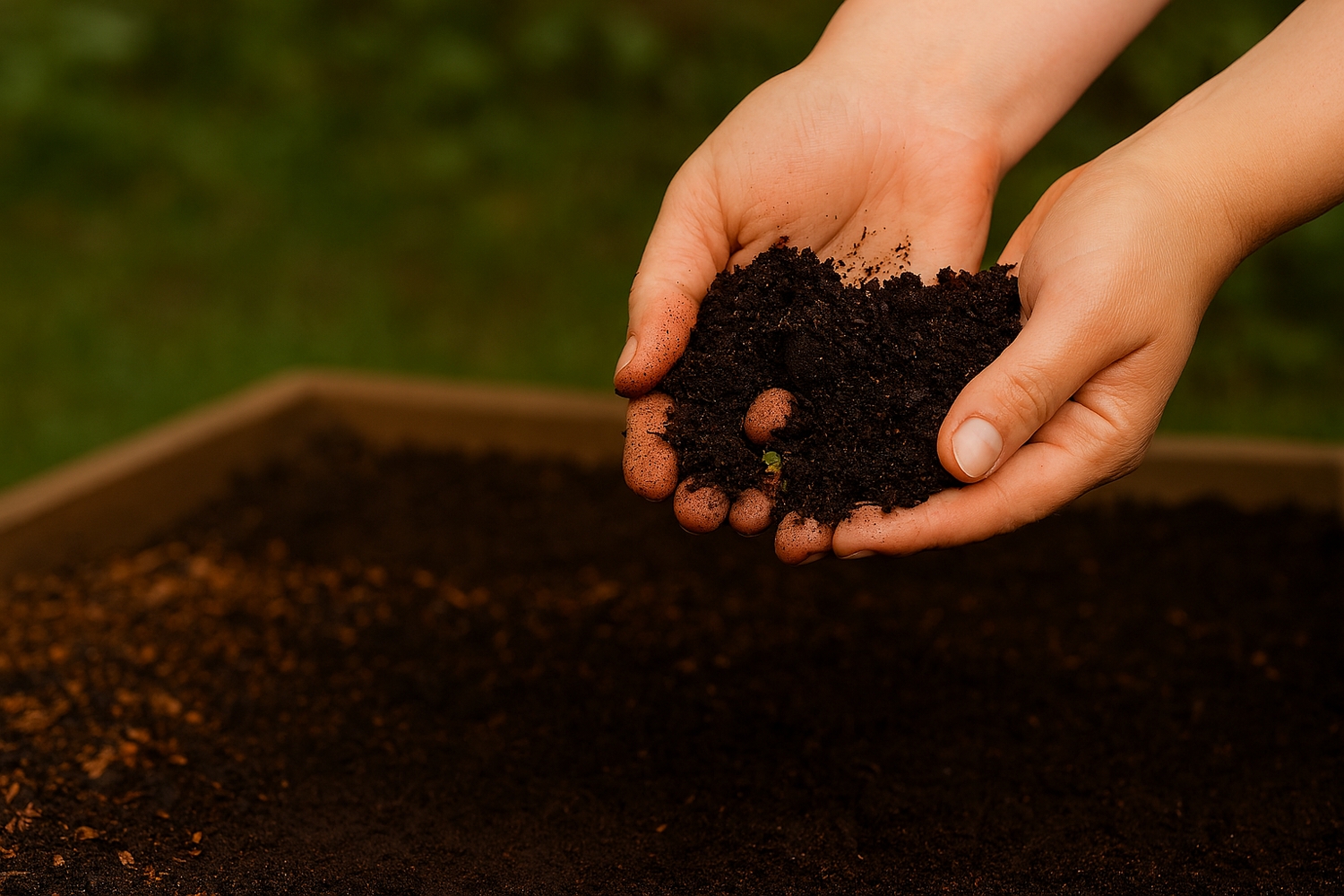 Leaf mold turns autumn leaves into a moisture-holding soil amendment.
Mix Your Leaves: Texture, Speed, and a Note About “Sandy” Residue
Not all leaves behave the same once they hit the ground—and that’s exactly why I mix them.
- Some species decompose slowly and can feel “gritty/sandy.” Waxy, thick, or high-lignin leaves—think magnolia, holly, beech, and some oaks—resist decay and often leave behind coarse leaf skeletons and veins for a season or two. That fibrous residue can feel gritty underhand (what some folks describe as “sandy material”). Shredding helps, but I also blend these with softer leaves for a nicer finished texture.
- Softer, quicker leaves speed the process. Leaves lower in lignin and higher in calcium (e.g., maple, ash, elm, poplar, willow) break down faster and create a more uniform leaf mold. Mixing them with the tough customers evens out decomposition and feel.
- Conifers & evergreens take longer. Needles and waxy evergreen leaves eventually make useful mulch/leaf mold, but they’re slow; shred and mix or compost hot with other materials.
Bottom line: Aim for a varied mix for better aeration, faster breakdown, and a crumbly—not stringy or gritty—finish.
Oak Leaves & pH: The Myth, the Nuance, and What I Do
I love my oaks, and yes, they drop a lot of leaves and acorns. I have a love-hate relationship with those, but that’s a topic for another day. Fresh oak leaves are slightly acidic (often pH ~4.5–5.5), but as they decompose their effect on soil pH neutralizes, especially in buffered soils. In other words, a light layer of oak leaves won’t make your beds “acid” long-term, and mixed leaf mold trends toward neutral. I still avoid smothering layers and spread oak leaves thinly or shred them—then mix with other leaves.
Black Walnut Leaves (Juglone): Handle With Care, Not Fear
If your mix includes black walnut leaves or hulls, you’ve probably heard warnings about juglone. Extension guidance indicates that well-managed composting (moist, aerated, turned) can degrade juglone over time; some sources recommend several months of active composting before use. When in doubt, I compost walnut material separately and test finished compost with a “sentinel” tomato.
Step-by-Step: My Leaf Routine (Fall to Spring)
- Autumn: Rake or blow heavy accumulations off the lawn into beds or a leaf-mold bin. Mulch-mow a thin layer into the turf once or twice—quick nutrient return without smothering.
- Layer smart: In beds, keep layers light (1–2" whole; 2–3" shredded)—they’ll settle. Keep plant crowns clear for airflow.
- Mix your leaves: Blend tough, waxy leaves (magnolia, holly, leathery oaks) with softer ones (maple, ash) to avoid a gritty/sandy finish and to speed the process.
- Make leaf mold: Pile in a wire bin or vented bags; keep moist like a wrung-out sponge. Turn or shake occasionally. Expect 6–12+ months depending on species and climate.
- Winter: Do less. Let wildlife rest; those leaves are shelter and insulation for overwintering beneficials (including fireflies).
- Spring (after last hard freeze): Fluff any matted areas; top up with shredded leaves or finished leaf mold. Keep a “wild corner” with whole leaves under shrubs until consistent warm-up so larvae/pupae can emerge.
Common Myths—Debunked
- “Leaves make soil too acidic.” Mixed deciduous leaves trend toward neutral as they break down; any acidity from fresh leaves is generally temporary and buffered by most soils.
- “Leaves attract pests.” Rodents seek food/shelter, not leaves alone; keep piles away from foundations and avoid piling against siding. (I edge beds and keep paths clean so my leaf cover looks intentional.)
- “You must bag to be tidy.” Strategic placement, light layers, and a spring refresh look curated—not messy—while preserving habitat and soil health.
Fireflies: A Quick Deep Dive You Can Share
- Life cycle: Eggs → larvae (1–2 years in soil/leaf litter) → pupae → brief, flashing adulthood. Larvae are predators of slugs, snails, and worms—garden allies.
- Threats: At scale, climate variability, habitat loss, and light pollution are key pressures; recent modeling indicates climate and weather are among the strongest drivers region-wide.
- What helps: Leave the leaves (especially under shrubs/trees), reduce pesticides, and dim outdoor lights during peak mating.
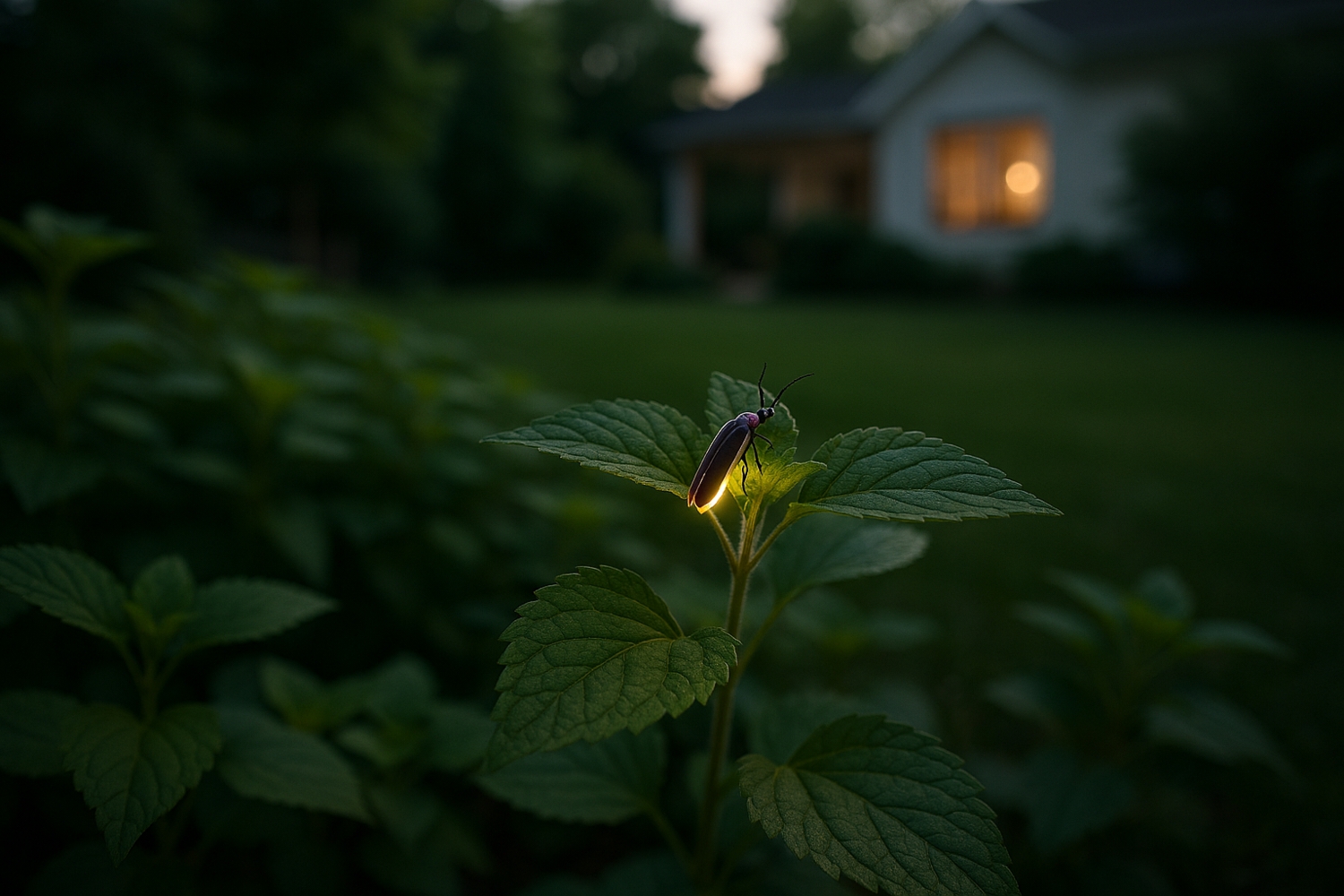 Lightning bug resting on leaf—a reminder of the quiet habitat autumn leaves provide.
5 Fruitful Takeaways
- Leave some leaves: Especially whole leaves under shrubs/trees for winter habitat.
- Mulch-mow the rest: Confetti-size pieces feed the lawn without smothering.
- Mix varieties: Blend tough, high-lignin leaves with softer ones for better texture and faster breakdown (no gritty/sandy residue).
- Make leaf mold: A simple bin (kept moist) yields a soil conditioner that can boost water retention and tilth.
- Time your cleanup: Wait until after the last hard freeze so overwintering insects—including fireflies—can emerge.
You Might Also Like:
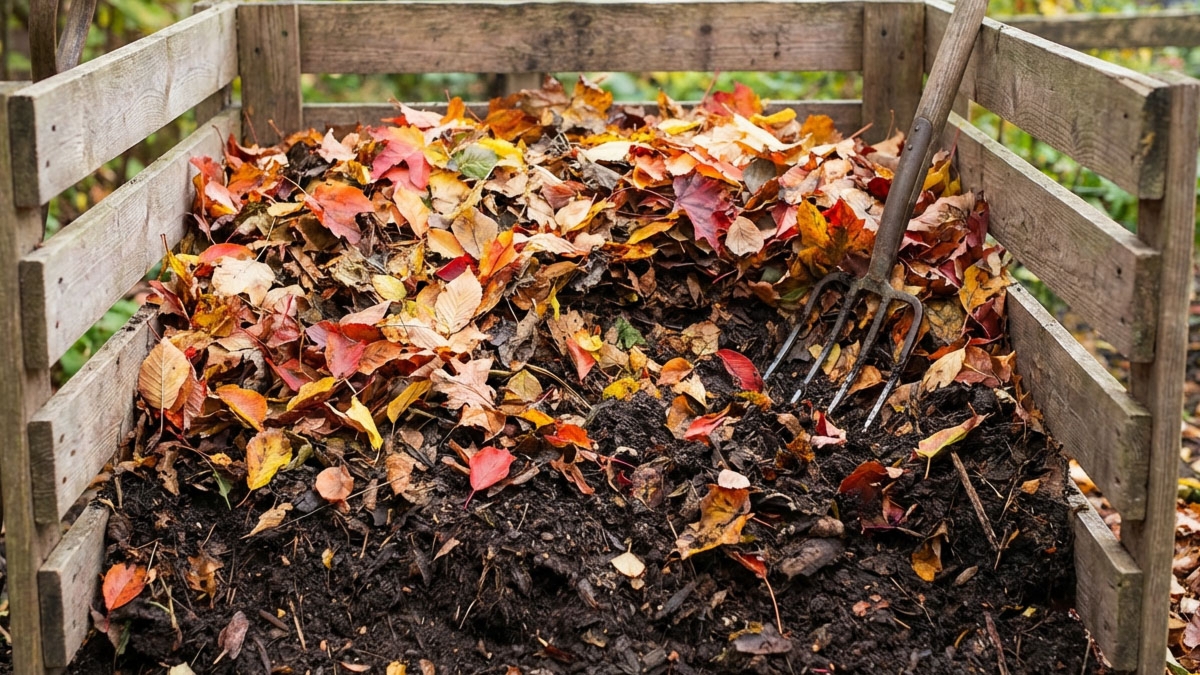
Autumn Leaves to Garden Gold: Composting Fall Leaves (and When to Mulch Instead)
Learn how to turn autumn leaves into rich compost, when to use leaves as mulch, and practical tips for healthy, sustainable gardens.
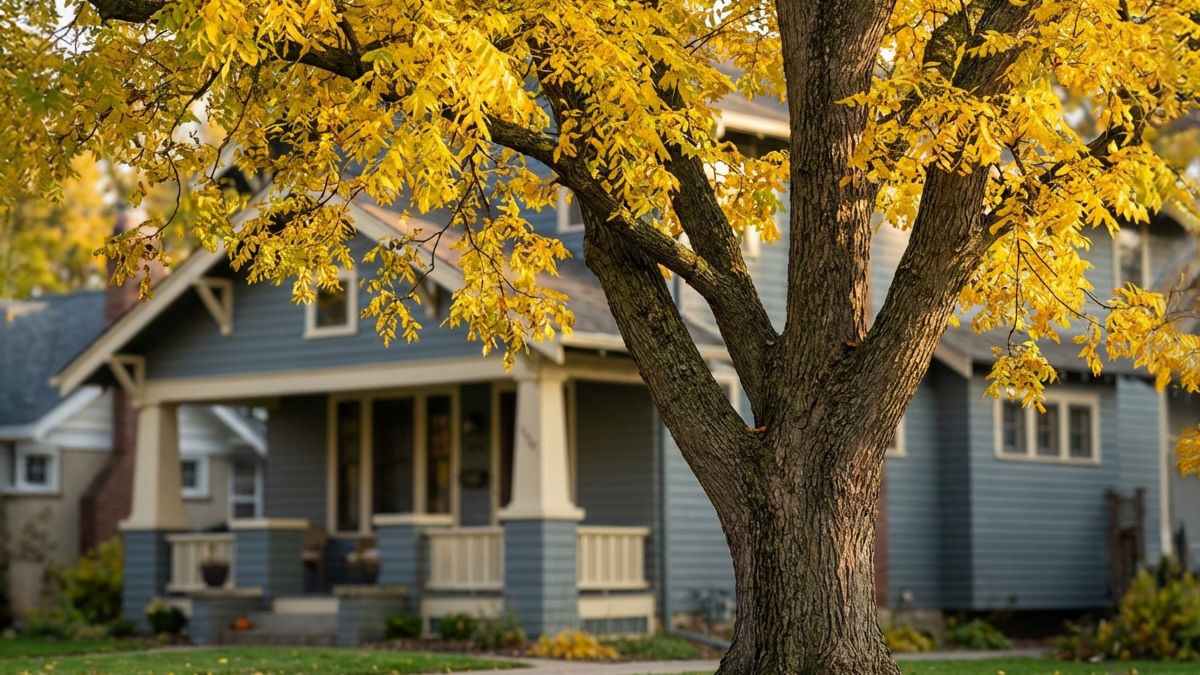
Juglone in Home Gardening: What You Need to Know
Learn how juglone from walnut trees affects garden plants, which species are sensitive or tolerant, and how to garden successfully around juglone-producing trees.
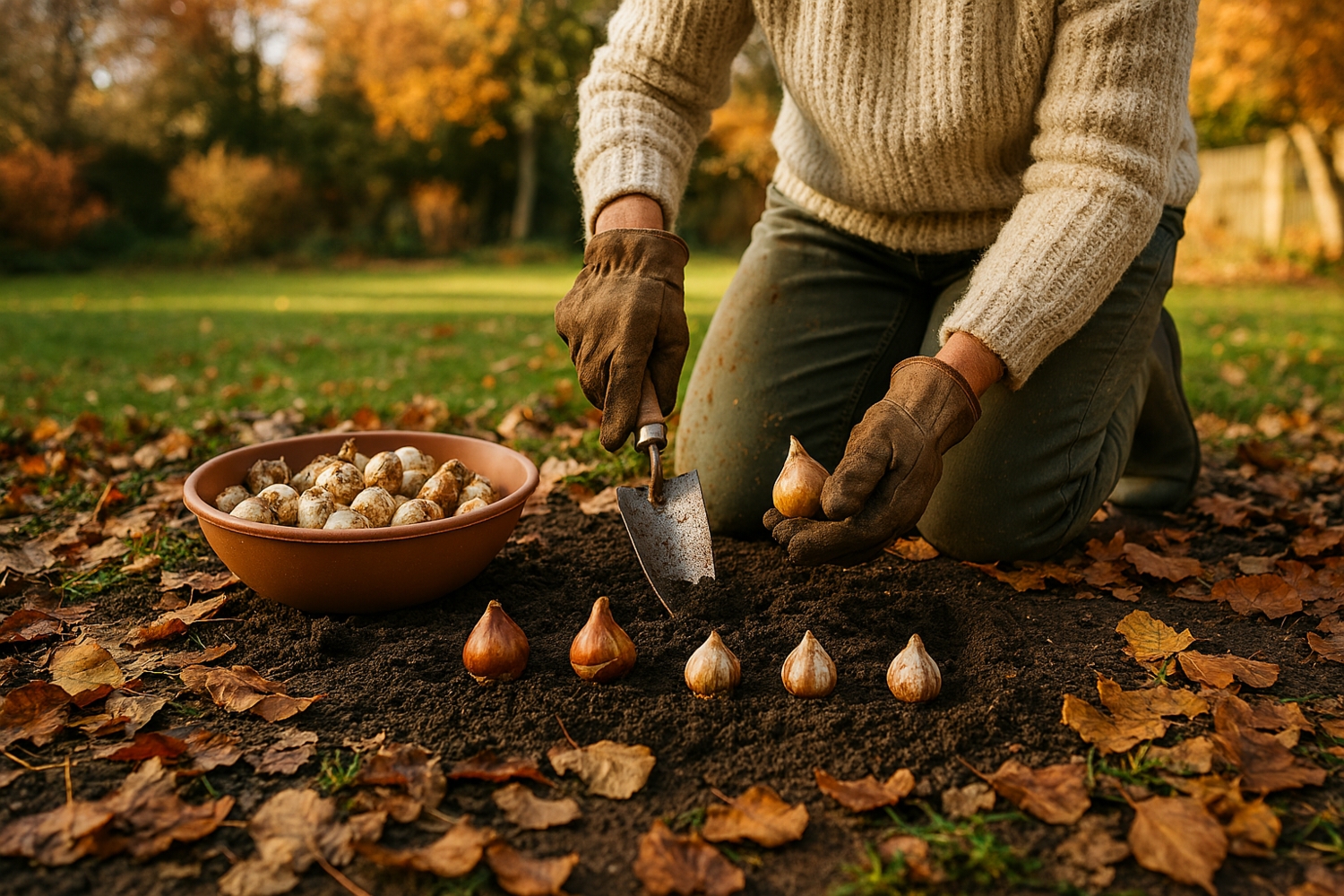
Fall Bulb Planting For Beautiful Spring Blooms
A complete guide to planting spring-flowering bulbs in fall for vibrant spring gardens, including tips for all climates, soil preparation, and design ideas.
Understanding USDA Hardiness Zones & Growing Seasons: A Practical, No Nonsense Guide
Understand USDA zones and growing seasons. Learn annual vs perennial basics, microclimates, and smart shopping for variety-specific hardiness.