How to Protect Raised Planters in Winter: Cold-Weather Tips
By Kristin Ruffin
Winter doesn't have to mean the end of your raised bed gardening season. With smart cold-weather tips for raised planters, you can protect perennials, extend harvests, and prep your beds for an earlier spring start. This guide covers winter protection strategies for cold zones, from insulating mulch to frost cloths and microclimates.
Understanding the Winter Challenge
Winter can be tough on raised planters. Because raised beds sit above ground, their soil cools down faster and freezes harder than in-ground soil as temperatures drop. The exposed sides allow cold air to penetrate and draw out heat, meaning plant roots in raised planters experience colder conditions than their in-ground counterparts.
In regions with harsh winters (USDA Zones 5 and below), perennials or winter crops in raised beds need extra protection to survive. Even in milder zones, an unusual cold snap can damage unprotected plants.
The key challenges:
- Soil freezing solid, limiting root access to water
- Drying winds that desiccate evergreen foliage
- Freeze-thaw cycles that heave plants out of the soil
- Faster temperature swings than ground-level gardens
Fortunately, there are proven strategies to shield your raised bed and its plants from winter's worst.
Why Raised Beds Freeze Faster
Exposed sides allow cold air to penetrate from all directions, while in-ground soil benefits from the earth's insulating warmth below. Think of it as a house with no foundation—heat escapes faster.
Preparing Plants and Soil (Autumn Prep)
Begin winter prep in the fall, before the first hard freeze. Proper autumn preparation makes the difference between plants that thrive and those that barely survive.
Clean Up & Assess
Remove spent annuals and fallen leaves that could harbor pests or disease. If you have late-season vegetables still producing (like kale or carrots), decide which to keep and protect and which to harvest fully.
Deep Watering Before Freeze
Water deeply in late fall before the ground freezes—you want the soil moisture level up going into winter. Moist soil holds warmth better than dry soil and prevents plants from drying out. However, ensure the bed drains well; waterlogged soil that freezes can damage roots.
Moisture Matters
Moist (not soggy) soil acts as a thermal battery, holding warmth longer than dry soil. Give your bed a good soak before temperatures consistently drop below freezing.
Trim & Mulch Perennials
For any perennials in your raised planter (or hardy herbs like thyme and chives), trim back dead foliage after it frosts and add a layer of mulch around them. If a particular plant is borderline hardy in your zone, consider it a candidate for extra protection—or even dig it out and pot it up to overwinter indoors, if feasible.
Add Compost
Consider adding compost to your raised bed in the fall. As it decomposes slowly over winter, it generates a bit of warmth and will feed the soil by spring.
Choose Hardy Varieties
Plants that will stay in a raised bed over winter should be rated one USDA zone colder than your area to account for the harsher conditions.
Best perennials for raised bed overwintering:
- Herbs: Thyme, chives, oregano, sage (hardy to Zones 4-5)
- Vegetables: Kale, carrots, leeks, parsnips (cold-hardy varieties can overwinter)
- Flowers: Sedum, coneflower, black-eyed Susan (native perennials with deep roots)
For example, if you're in Zone 6, perennials hardy to Zone 5 (or lower) have a better chance of surviving in the raised bed. Their tougher genetics help them withstand when the planter soil gets colder than ground soil.
Cold-Zone Strategies for Raised Beds
When frigid weather arrives, use these cold-zone strategies: burlap, straw, frost cloth, and microclimates. Start with your USDA Zone as a baseline, then apply these targeted tips to raised beds.
Insulate with Mulch
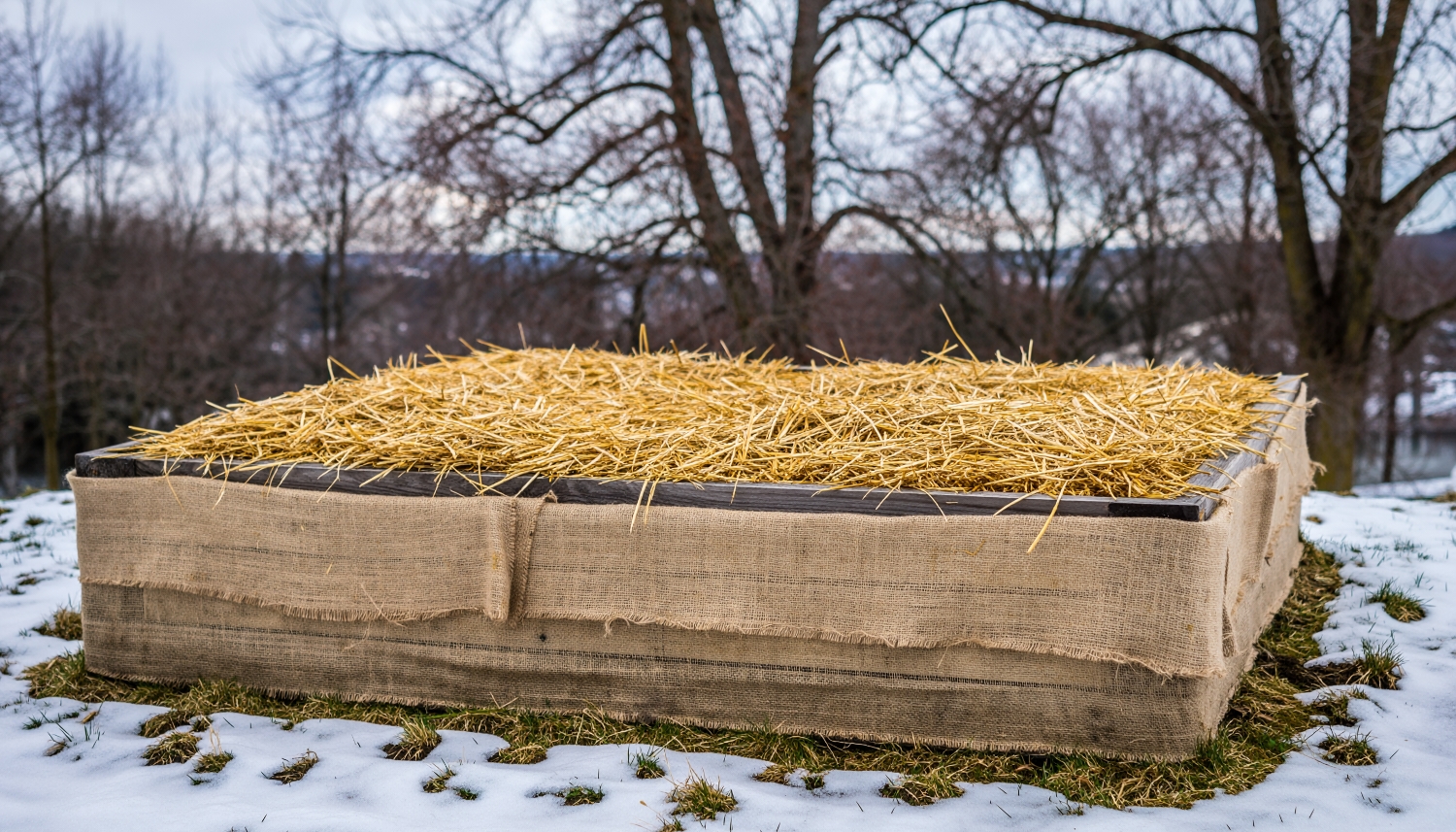
A thick layer of mulch acts like a winter blanket for your raised planter. Once the ground is near freezing, pile straw, pine needles, shredded leaves, or hay over the soil and around the crowns of your plants.
How much? 4–6 inches of mulch is not too much for cold climates.
Benefits:
- Moderates soil temperature
- Reduces frost heaving by keeping soil consistently cold (rather than repeatedly freezing and thawing)
- Helps soil retain moisture over winter
- Bank mulch up against the inside walls of the planter for added root zone insulation
Snow = Free Insulation
If it falls, snow adds an extra insulating layer on top of mulch. A snow-covered bed can be warmer underneath than an exposed one—snow insulates much like a blanket.
Budget-Friendly Protection
Winter protection doesn't have to break the bank. Straw bales ($5-8 each), old bedsheets or blankets (free from closet), and burlap (reusable for years) cost far less than replacing dead plants in spring. A $20-30 investment can protect hundreds of dollars worth of perennials.
Wrap or Cover the Bed
For areas with deep freezes, consider wrapping the entire raised bed box with insulating material.
Methods:
- Encircle the outside of the planter with burlap or old blankets to shield from wind
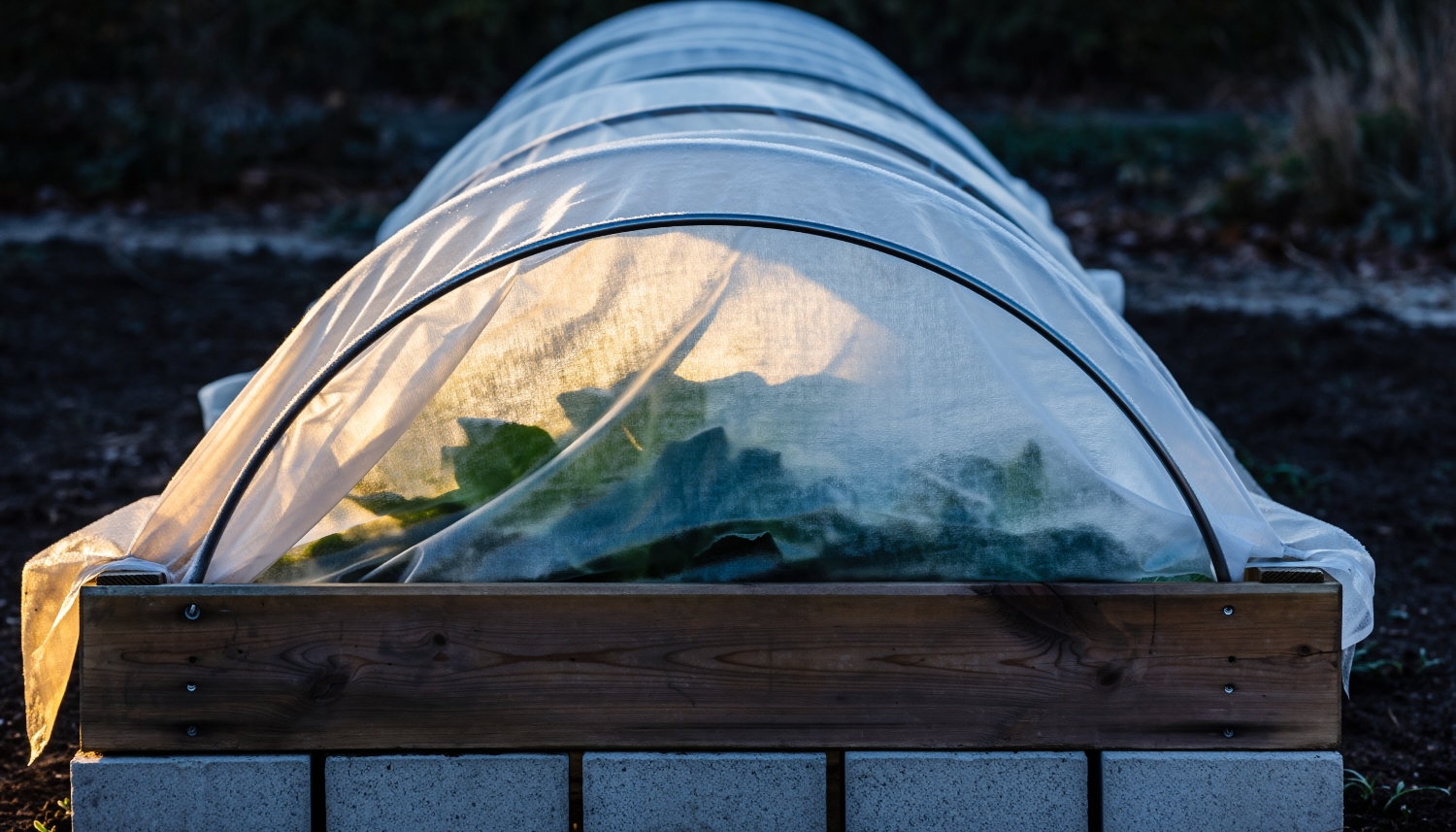
- Create a temporary frame or hoops over the bed and drape burlap or heavy frost cloth over it (like a mini greenhouse)
- Secure the covering with rocks or stakes so it doesn't blow away
Important: Vent or remove plastic covers on milder winter days to prevent overheating or mold buildup.
Use Frost Cloths on Vulnerable Plants
If you have marginally hardy plants or fall-planted veggies (like winter lettuce or carrots you're trying to hold in the ground), cover them with frost fabric on very cold nights.
Even a simple old bedsheet or burlap thrown over the plants in the evening can help capture ground warmth. These covers should extend to the edges of the bed and preferably drape down the sides a bit.
Key tip: Remove covers in the daytime if temperatures rise above freezing to let in light and fresh air.
Employ Microclimates
Take advantage of warmer microclimates in your yard for your raised planters.
Strategies:
- Move smaller raised boxes to a more sheltered spot (like against a south-facing wall or inside a garage) for winter
- Create windbreaks: set up plywood boards on the windward side, or surround the bed with straw bales
- Position beds near heated structures—areas like the south side of your house often stay a bit warmer
Microclimate Tip
South-facing walls, enclosed courtyards, and other protected nooks can behave roughly half a zone warmer. If your raised bed is near a south wall or fence that absorbs heat during the day, that warmth will radiate at night, helping borderline plants. Even a few degrees can be the difference between a plant's survival or death in winter.
Common Winter Protection Mistakes to Avoid
Even experienced gardeners can slip up when winterizing raised beds. Here are the most common mistakes and how to avoid them:
Mulching too early: Wait until after the ground starts to freeze consistently. Mulching too soon can keep soil warm longer, delaying dormancy and making plants vulnerable to sudden freezes.
Using plastic directly on plants: Traps moisture and causes rot; use breathable fabrics like burlap or frost cloth instead.
Forgetting to water before freeze: Dry soil freezes faster and deeper than moist soil. Give beds a thorough soak in late fall.
Leaving covers on too long in spring: Delays soil warming and can create fungal issues. Remove covers gradually as temperatures moderate.
Applying too little mulch: 2 inches won't cut it in cold zones—aim for 4–6 inches for effective insulation.
Piling mulch against plant stems: Can cause crown rot. Keep mulch around plants, not directly touching stems or trunks.
Overwintering Plants in Containers vs. Raised Beds
If some of your "raised planters" are actually movable containers (like planter boxes with legs or large pots), you have additional options for winter.
Movable Container Options:
- Group containers together against a building
- Wrap them with insulating materials (bubble wrap around the pot, for instance)
- Bring them into an unheated garage or shed during the coldest weeks
Why it matters: Containers generally experience the cold even more than raised beds because they have less soil mass. A treasured plant in a container that isn't fully hardy is often best moved to a protected spot for winter rather than leaving it out.
Fixed Raised Bed Strategies:
For raised beds that are fixed in place, rely on the earlier strategies (mulch, covers, windbreaks).
Winter drainage tip: Make sure your raised bed doesn't get waterlogged if your climate has winter rain. Slightly elevate one end of any cover (or leave a small gap) to allow excess humidity to escape and rainwater not to pool.
Spring Transition
As temperatures moderate and spring approaches, gradually remove winter protection.
When to Remove Winter Protection
Timing matters—remove protection too early and you risk frost damage; wait too long and you delay spring growth.
Early spring indicators:
- Daytime temperatures consistently above 40°F
- Soil at 4-inch depth reads 45°F or warmer (use a soil thermometer)
- Perennials show active bud swell
- Last frost date is 2-3 weeks away
Regional timing:
- Cold zones (5-6): Late March to early April
- Moderate zones (7-8): Late February to mid-March
- Warm zones (9+): January to early February (if protection was even needed)
Early Spring Steps
- Pull back mulch in early spring to allow the soil to warm up and let new growth push through easily
- Keep some mulch handy—late frosts can still occur, and you can use it to cover plant crowns on very cold nights if needed
- Unwrap covers once the danger of deep freeze has passed, but be ready to toss a frost cloth over the bed if an April cold snap surprises you
Take Advantage of Early Warmth
Your raised bed soil will likely be workable and warm earlier than the ground, meaning you can often plant out hardy seedlings a bit sooner. Take advantage by planning some early spring crops (like peas, spinach, or broccoli transplants) for your raised bed.
Just be mindful: Use lightweight row covers for those chilly nights.
Check Perennials
Perennials in the bed will start to bud out—if you mulched them heavily, check that new shoots can emerge, and remove excess mulch from on top of plants (but you can leave it around them as fresh spring mulch).
Summary
By implementing these winter protection measures, your raised planters should come through the cold in good shape. With a little autumn prep and strategic insulating, even gardeners in cold climates can keep their raised bed plants alive and thriving, ready to leap back into action when spring arrives.
The winter raised bed formula:
- Autumn prep (water, trim, mulch, compost)
- Insulation strategies (mulch layers, wrapping, covers)
- Microclimate advantages (south walls, windbreaks)
- Spring transition (gradual uncovering, early planting)
5 Fruitful Takeaways
Raised beds freeze faster: Above-ground soil loses heat from all sides—plan accordingly with extra insulation using 4-6 inches of mulch.
Zone down for survival: Choose plants rated one zone hardier than your location for raised bed success—it's your insurance policy against harsh winters.
Mulch is your winter blanket: 4–6 inches of straw, leaves, or hay moderates temperature swings and prevents frost heaving—don't skimp on depth.
Microclimates matter: South-facing walls and windbreaks can behave up to half a zone warmer—use them strategically for borderline-hardy plants.
Spring arrives early: Raised beds warm faster in spring, giving you a head start on planting hardy crops like peas and spinach—but keep row covers handy for late frosts.
Related Guides:
You Might Also Like:
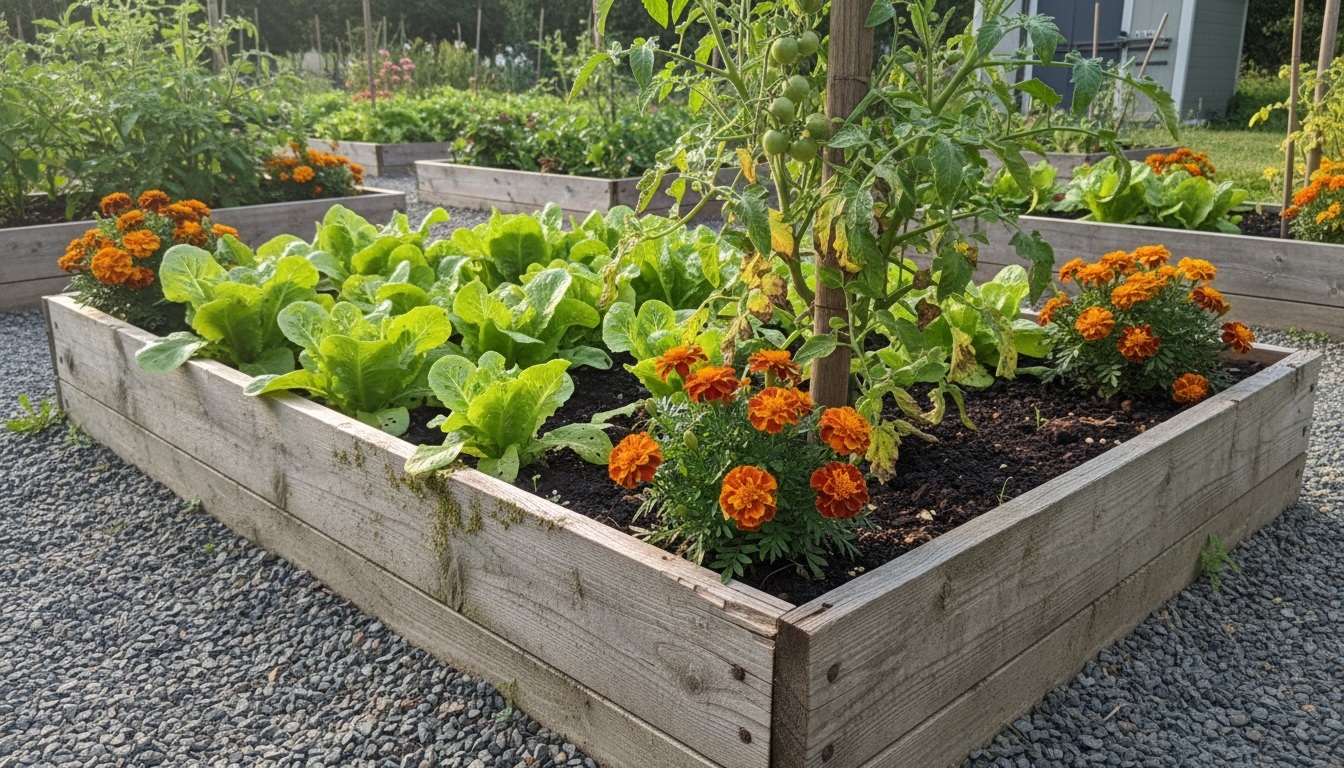
How to Grow in Raised Planters: Zone-Smart Gardening
Set up thriving raised beds—soil prep, plant selection by USDA zone, watering, and seasonal care for dependable yields.

Raised Beds vs Containers vs Pots: Which Should You Grow In?
Compare raised beds, containers, and pots by zone, watering, soil volume, and cost. Pick your method and jump to full how-to guides.
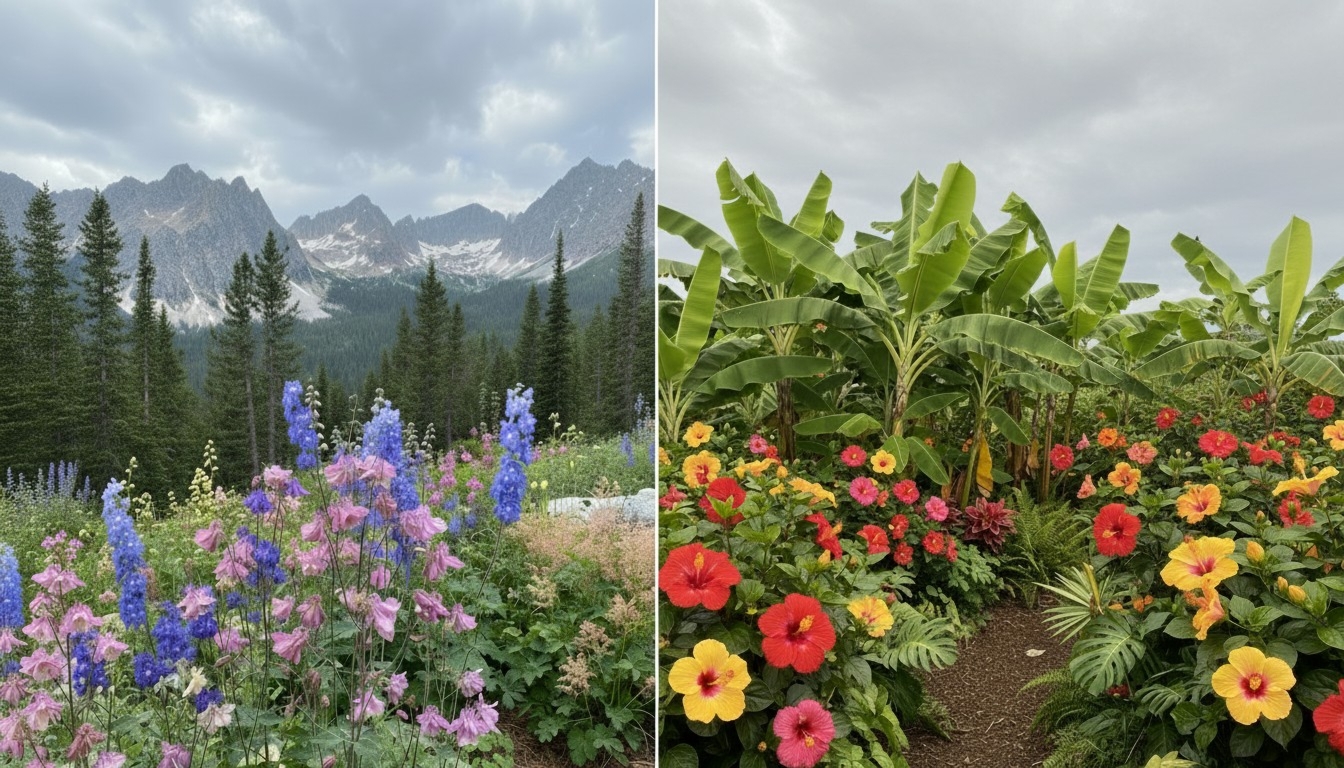
Understanding USDA Hardiness Zones & Growing Seasons: A Practical, No Nonsense Guide
Understand USDA zones and growing seasons. Learn annual vs perennial basics, microclimates, and smart shopping for variety-specific hardiness.
Fall Bulb Planting For Beautiful Spring Blooms
A complete guide to planting spring-flowering bulbs in fall for vibrant spring gardens, including tips for all climates, soil preparation, and design ideas.
Autumn Leaves to Garden Gold: Composting Fall Leaves (and When to Mulch Instead)
Learn how to turn autumn leaves into rich compost, when to use leaves as mulch, and practical tips for healthy, sustainable gardens.