Raised Beds vs Containers vs Pots: Which Should You Grow In?
By Kristin Ruffin
The Great Garden Debate: What Works Best for You?
There isn't a single "best" way to garden—there's the method that fits your space, climate, budget, and how much time you want to spend watering. I've tried them all over the years: raised beds that transformed a patch of stubborn clay into a thriving vegetable garden, patio containers that followed the sun across my deck throughout the season, and individual pots that let me experiment with herbs right by the kitchen door where I could snip fresh basil for dinner.
Each method has real strengths and honest trade-offs. This guide breaks down raised beds, containers, and individual pots through the lens of practical gardening challenges: soil volume and root health, watering workload, USDA zone realities, mobility versus permanence, cost considerations, and aesthetics. By the end, you'll know exactly which method suits your gardening life—or whether a combination makes the most sense.
First Things First: What's the Difference Between a Container and a Pot?
Let's clear up the confusion right away because it matters more than you'd think. All pots are containers, but not all containers are pots.
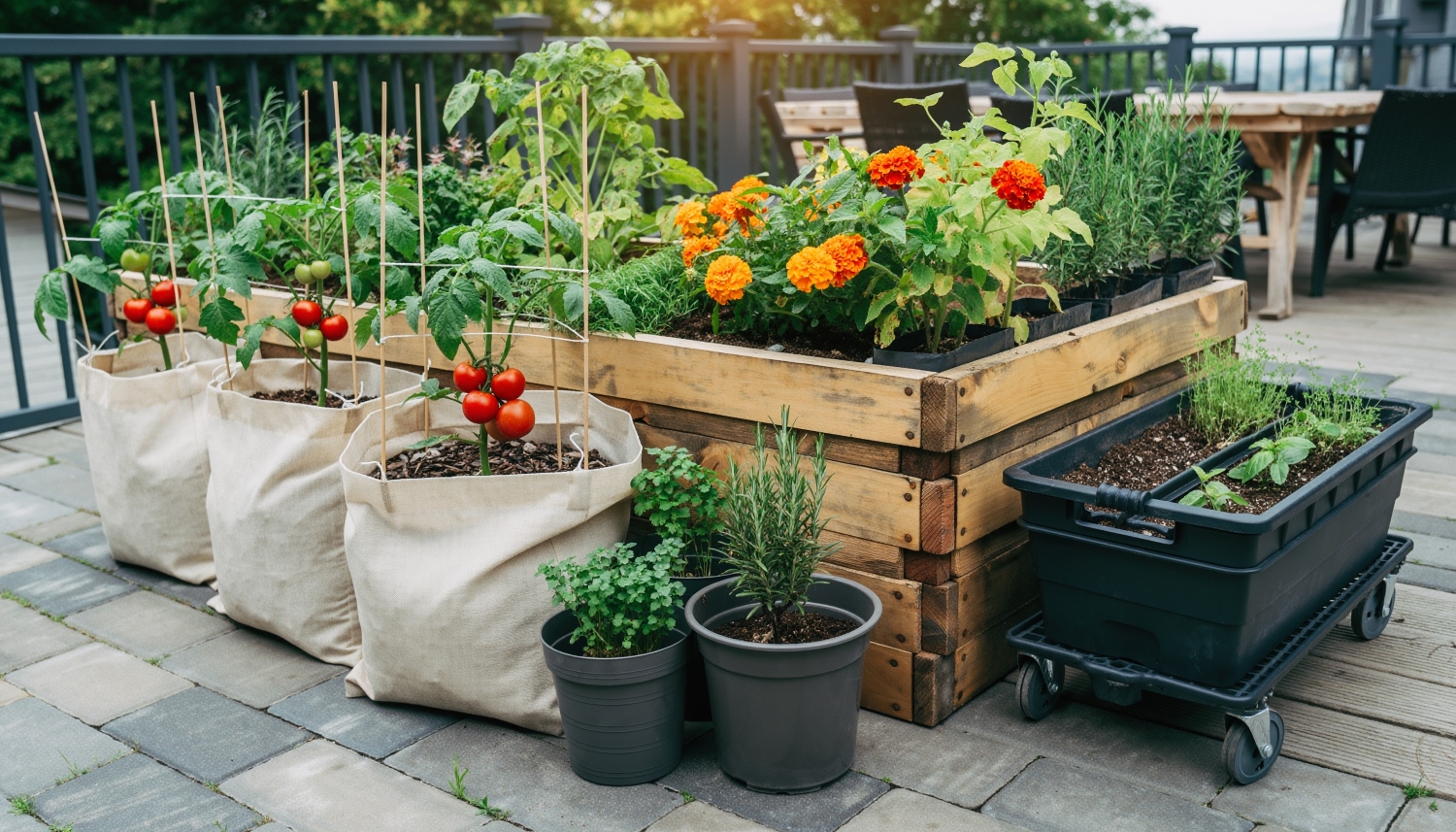
Containers refer to any planter, box, or trough used for growing plants, often sized for multiple plants growing together. Think patio boxes, self-watering units, fabric grow bags, whiskey barrels, and rectangular troughs. These are your modular mini-beds—portable versions of raised beds that hold enough soil to support several plants at once.
Pots, on the other hand, are typically smaller, round, single-plant vessels. Terracotta, glazed ceramic, resin, or standard nursery pots. These are precision planters designed for individual specimens—one tomato plant, one basil, one succulent.
Why does this distinction matter? Because soil volume, watering frequency, temperature stability, and plant sizing all change dramatically depending on whether you're using a 20-gallon fabric container or a 6-inch terracotta pot. A large container behaves more like a mini raised bed, while a small pot demands daily attention in summer heat.
Quick Guide
- Raised beds = biggest soil buffer, best for high-yield food gardens
- Containers = modular mini-beds for patios/balconies; more frequent watering than raised beds
- Pots = single-plant precision, indoor/outdoor crossover; dry and heat/cool fastest
Soil Volume & Root Health: Why Size Really Matters
If there's one universal rule that governs all gardening methods, it's this: more soil volume equals more stability. Larger soil masses buffer temperature swings, hold moisture longer, and provide more nutrients over time. Think of it as comparing a swimming pool to a bathtub—the pool takes much longer to heat up, cool down, or evaporate.
Raised beds are the stability champions here. A typical 4-foot by 8-foot bed that's 12 inches deep holds roughly 192 gallons of soil. That's a continuous soil mass that allows roots to spread freely and deeply. Deep beds (12 inches or more) easily support heavy feeders like tomatoes, squash, peppers, and root vegetables that need room to stretch out. The soil in raised beds warms gradually in spring and cools slowly in fall, making them less prone to overheating in summer or freezing quickly in winter. With proper mulching, deep watering can last several days—sometimes a week—between sessions. Add drip irrigation or soaker hoses on a timer, and maintenance becomes minimal. Raised beds are ideal for perennials, deep-rooted vegetables, long-season crops, and gardeners who prefer a "set it and forget it" approach.
Containers occupy the middle ground, with soil volumes that vary widely from about 5 gallons up to 30 gallons or more. A 15-gallon fabric grow bag works well for most vegetables, but a 5-gallon bucket is pushing it for anything beyond lettuce or herbs. Root health in containers is adequate for compact varieties—dwarf tomatoes, peppers, herbs, salad greens—but roots eventually hit the walls, so proper sizing is critical. Temperature swings happen faster than in raised beds but slower than in small pots. Light-colored containers reflect heat and stay cooler, while dark ones absorb heat and can stress roots on hot days. Moisture retention is moderate—expect daily watering in hot or windy weather, though self-watering containers can extend that to every other day. Containers excel in patio gardens, rental situations, mixed edible and ornamental plantings, and for gardeners who want flexibility without the commitment of a permanent bed.
Pots are all about precision and individual attention. Most pots range from 1 to 10 gallons, with a standard 10-inch pot holding only 2 to 3 gallons of soil. That's enough for one plant—choose your pot size based on the mature plant's dimensions. A basil plant does fine in a 6-to-8-inch pot, but a tomato needs at least a 15-to-20-gallon container to produce well. Temperature swings are rapid in pots. They heat up fast in direct sun and cool quickly at night. Black plastic pots sitting on hot pavement can literally cook roots in midsummer. Moisture retention is the shortest of all three methods—small pots may need watering twice a day during peak summer heat. Pots shine when you want to showcase statement plants like dwarf citrus or roses, rotate plants indoors and outdoors seasonally, create doorway accents, or simply enjoy the daily ritual of tending individual specimens.
The bottom line? Bigger soil volume means fewer watering swings, more forgiving temperatures, and healthier, more productive root systems.
Climate & USDA Zone Realities: Know Your Limits
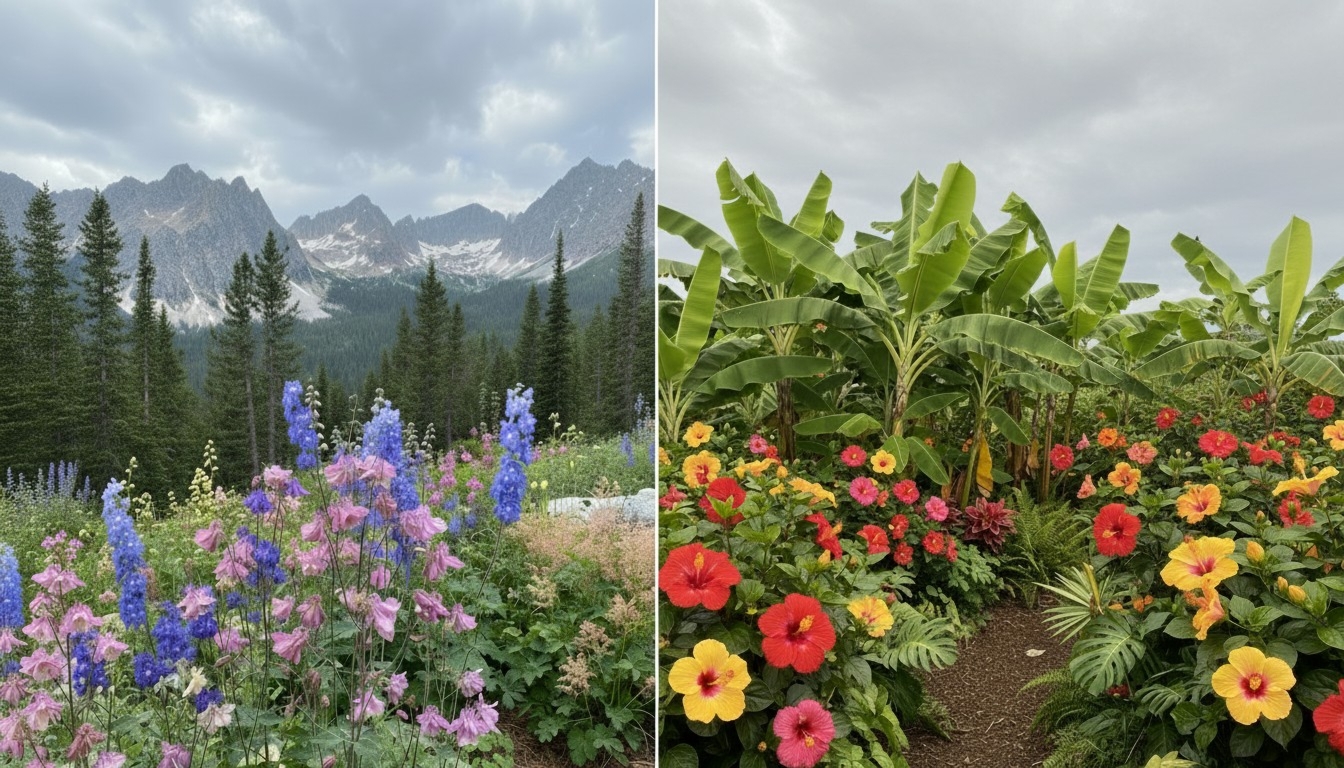
Your USDA Hardiness Zone doesn't just determine which plants survive winter—it also impacts how each gardening method performs throughout the year.
In cool zones (Zone 6 and below), raised beds warm up about one to two weeks earlier than ground soil in spring. That head start lets you sow cool-season crops like lettuce, peas, and spinach sooner. But raised beds also lose heat faster in fall, so you'll want frost covers or cloches handy to extend the harvest season. Containers and pots face even bigger challenges in cold zones because roots in above-ground vessels freeze much faster than roots in the ground. If you're growing perennials in containers, choose plants rated at least one zone hardier than your location, or plan to overwinter pots in an unheated garage or covered porch. My strategy? Use raised beds for main crops and perennials, and reserve containers for plants that are perennial in warmer zones but act as annuals in my zone—think rosemary, lavender, or figs—plus tender annuals I can easily move indoors before the first hard freeze.
In warm zones (Zone 8 and above), raised beds remain the workhorse of the garden, especially when paired with drip irrigation and heavy mulching to combat evaporation. Containers and pots, however, risk serious overheating. Dark-colored pots sitting on concrete patios can reach root-damaging temperatures exceeding 120°F on summer afternoons. The fixes are straightforward: choose light-colored or insulated containers, provide afternoon shade (even just a patio umbrella helps), mulch the soil surface with straw or bark, and group pots together to create microclimates that retain humidity and reduce wind exposure.
Perennial Survival in Containers/Pots
- For cold climates (Zones 3-6), container roots freeze faster than ground soil. Either select plants one zone hardier than your location or overwinter them in a protected space.
- In warm climates (Zones 9+), focus on heat-tolerant varieties and shade strategies.
Watering Workload: Time Versus Effort
Let's be honest—watering is the number one chore that determines whether your gardening experience feels sustainable or becomes a source of burnout.
Raised beds are the clear low-maintenance winner here. With proper soil mix and a layer of mulch, you can get away with deep watering every three to seven days depending on weather conditions. Install soaker hoses or drip irrigation on a simple timer, and the system becomes nearly hands-off. I mulch my raised beds heavily with straw or shredded leaves, which cuts evaporation by more than half and keeps the soil cooler during heat waves.
Containers fall into the moderate maintenance category. Expect to water daily during hot or windy weather, and every two to three days during milder conditions. Hand-watering with a hose or watering can is standard, but self-watering containers—those with built-in reservoirs—can cut your watering frequency in half. Grouping containers together also helps by creating a more humid microclimate and reducing wind exposure that dries soil out faster.
Pots demand the highest maintenance of all three methods. Small pots holding two gallons or less may genuinely need watering twice a day during peak summer—once in the morning and again in early evening. Using saucers under pots helps retain some moisture, but never let water sit for more than an hour or two (root rot is a real risk). My pro tip for pots? Use a high-quality potting mix designed to retain moisture, and mulch the soil surface with decorative pebbles or small bark chips to slow evaporation.
Mobility Versus Permanence: Flexibility or Commitment?
Raised beds are semi-permanent structures. Once you've built and filled a bed with soil, it's essentially staying put. That makes them fantastic for long-term soil building and perennial plantings like berries, asparagus, or rhubarb. But they're not ideal for renters or anyone who might move within a few years.
Containers offer true modularity and mobility. You can rearrange them as seasons change, chase the sun across your patio, create privacy screens, or move frost-sensitive plants indoors when temperatures drop. They're perfect for patios, balconies, rental properties, and anyone who values flexibility.
Pots provide maximum flexibility of all. Swap out plants seasonally—spring bulbs transition to summer annuals, then fall mums, then winter evergreens. Move tropical plants indoors for winter and back outside for summer. Experiment with new varieties without any long-term commitment. If something doesn't work, simply replant the pot with something else.
Real-World Examples: 20-Gallon Pots in Action
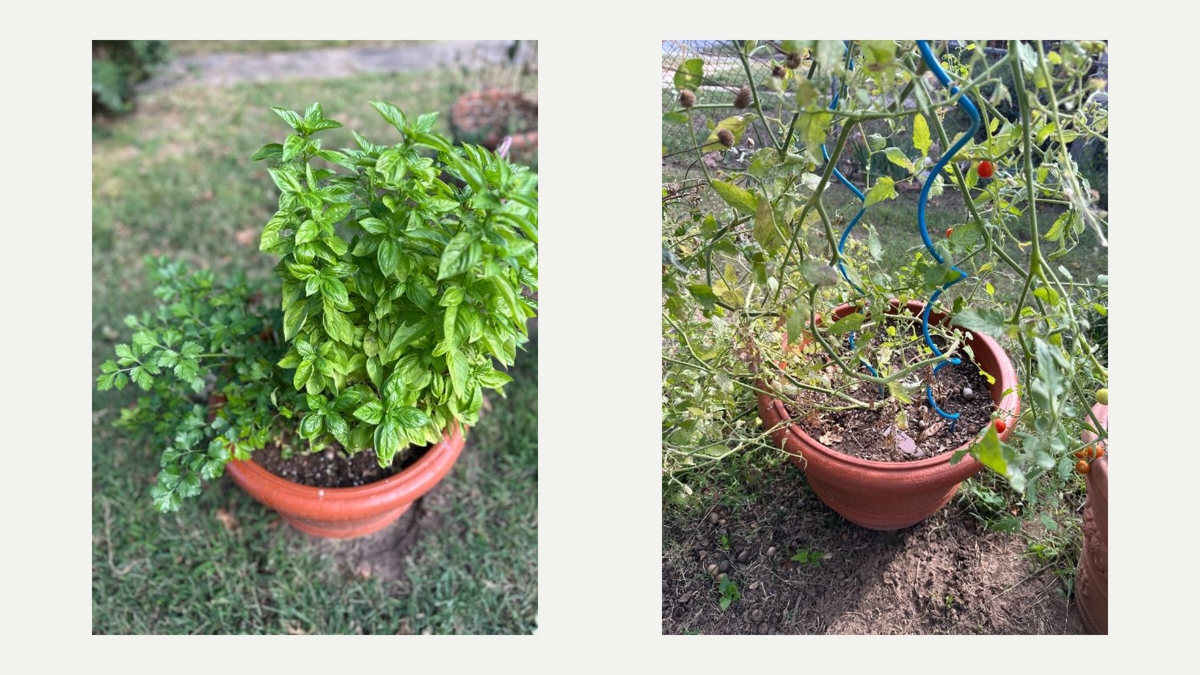
This is the flexibility that makes larger pots so valuable. The 20-gallon size bridges the gap between traditional small pots and full containers—big enough to support multiple compatible plants or give a single productive plant the root space it craves. Your choice depends entirely on what you're growing and how you want to use your patio space.
Cost & Materials: Budget Breakdown
Raised beds carry the highest upfront cost—typically between $100 and $500 or more depending on size and materials. You'll need untreated lumber, composite boards, metal panels, or stone, plus the biggest expense: soil fill. A standard 4-by-8-foot bed that's 12 inches deep requires about one cubic yard of quality soil mix, which can easily run $50 to $100 delivered. The long-term value, though, is excellent. Raised beds deliver the best yield per square foot, and the soil quality actually improves each year as you add compost and organic matter.
Containers sit in the mid-range, costing anywhere from $20 to $100 per container depending on size and material. Resin and plastic containers are affordable and lightweight, fiberglass offers durability and UV stability, and fabric grow bags provide excellent breathability and portability. Containers are reusable for many years, though the soil needs annual refreshing with compost or new potting mix.
Pots offer the lowest upfront investment—anywhere from $5 to $50 per pot. Terracotta is classic and breathable but dries out fast. Glazed ceramic retains moisture well but tends to be heavy and can crack in freezes. Resin or plastic pots are affordable, lightweight, and come in every color and style imaginable. Pots are perfect for experimentation because they're easy to replace or upgrade as your tastes and skills evolve.
My budget advice? Start with a few containers or pots during your first season to test your gardening style and learn what you enjoy growing. Once you know what works, invest in a raised bed for long-term plantings.
Planting Styles & Aesthetics: Function Meets Beauty
Raised beds excel at structured, productive gardens. Think organized pathways between beds, systematic crop rotations, high-yield blocks of vegetables, and formal or cottage garden aesthetics. They're ideal for serious food production, cutting gardens, and herb spirals.
Containers let you mix edibles and ornamentals in creative ways—a dwarf tomato surrounded by basil and trailing marigolds, or a pepper plant underplanted with nasturtiums. You can layer different heights for visual interest and change displays seasonally to keep things fresh. Containers are perfect for patio décor, balcony gardens, and small-space creativity.
Pots are all about showcasing statement plants and creating precision accents. A dwarf citrus tree by the front door, a fragrant rose in a decorative pot on the patio, a Japanese maple as a focal point, or a collection of herbs in matching pots lined up on the kitchen windowsill. Pots offer doorway appeal, seasonal swaps, and the ability to move plants indoors and outdoors as needed.
Common Pitfalls & Fast Fixes
If you've planted in an undersized pot and the plant is struggling, upsize mid-season and refresh the soil mix—it's never too late. Overwatering is common in containers without proper drainage holes; check for adequate drainage and shift to watering deeply but less often. Nutrient fade happens in raised beds after a few years of heavy planting—add compost at the start of each season and provide a light organic fertilizer mid-season for heavy feeders. Heat stress in pots and containers is real, especially in dark-colored vessels on hot surfaces—switch to light-colored pots, mulch the soil surface, and provide afternoon shade during peak heat.
Choosing the Right Setup for Your Space
Still not sure which method fits your life? Here's my quick decision guide based on real gardening priorities:
If you want maximum food yield and don't mind a permanent structure, choose raised beds. For renters, balcony gardeners, or anyone in a temporary living situation, go with containers and pots. If you love moving plants indoors for winter or want to rotate tropical specimens seasonally, pots are your best bet. For minimal daily watering and low maintenance, invest in raised beds with drip irrigation. And if you want curated décor, flexibility, and the ability to refresh your garden's look on a whim, pots and containers deliver.
My honest take? Most experienced gardeners end up using a combination of all three. I have raised beds for tomatoes, peppers, and perennial herbs. I use containers for patio flowers and compact vegetables. And I keep pots for indoor citrus, seasonal doorway displays, and experimenting with new varieties before committing them to a bed. Mix and match to suit your space, your schedule, and your gardening personality.
 Side-by-side garden scenes showing a wooden raised bed, mixed containers on a patio, and decorative pots near a doorway—each method serving a different purpose and gardening style.
5 Fruitful Takeaways
Soil volume equals stability. Raised beds offer the largest buffer and lowest maintenance, while pots require the most attention but deliver maximum flexibility.
Know your zone and plan accordingly. Cold zones need overwintering strategies for container perennials. Warm zones need shade strategies and heat-resistant materials for pots and containers.
Watering workload varies dramatically. Raised beds with drip irrigation are the lowest-effort option. Small pots demand the highest daily commitment.
Mobility matters more than you think. Containers and pots let you chase sun, adapt to seasons, and experiment risk-free. Raised beds are permanent investments in soil health and long-term production.
Budget smart and start small. Begin with a few containers or pots to test your gardening style, then scale up with raised beds as you commit to long-term growing.
Ready to dive deeper? Check out our full guide for detailed instructions:
You Might Also Like:
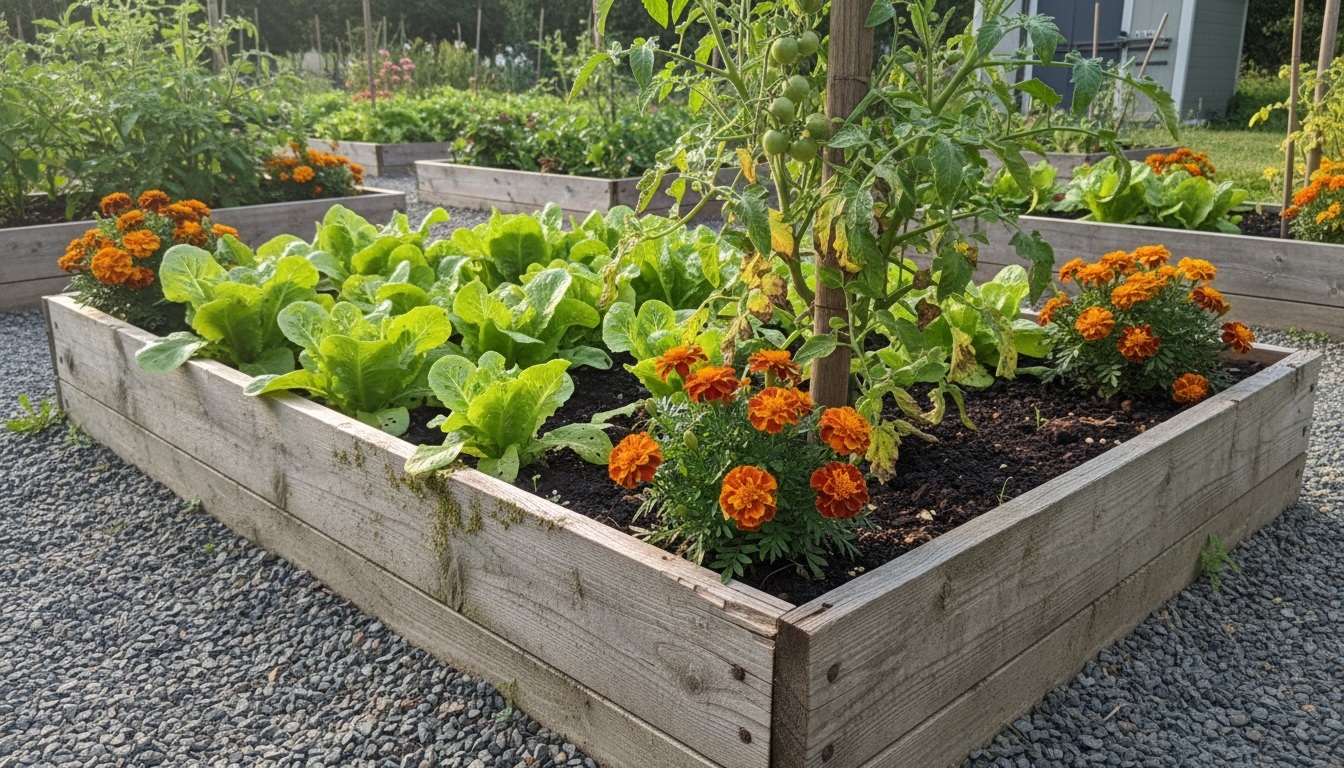
How to Grow in Raised Planters: Zone-Smart Gardening
Set up thriving raised beds—soil prep, plant selection by USDA zone, watering, and seasonal care for dependable yields.
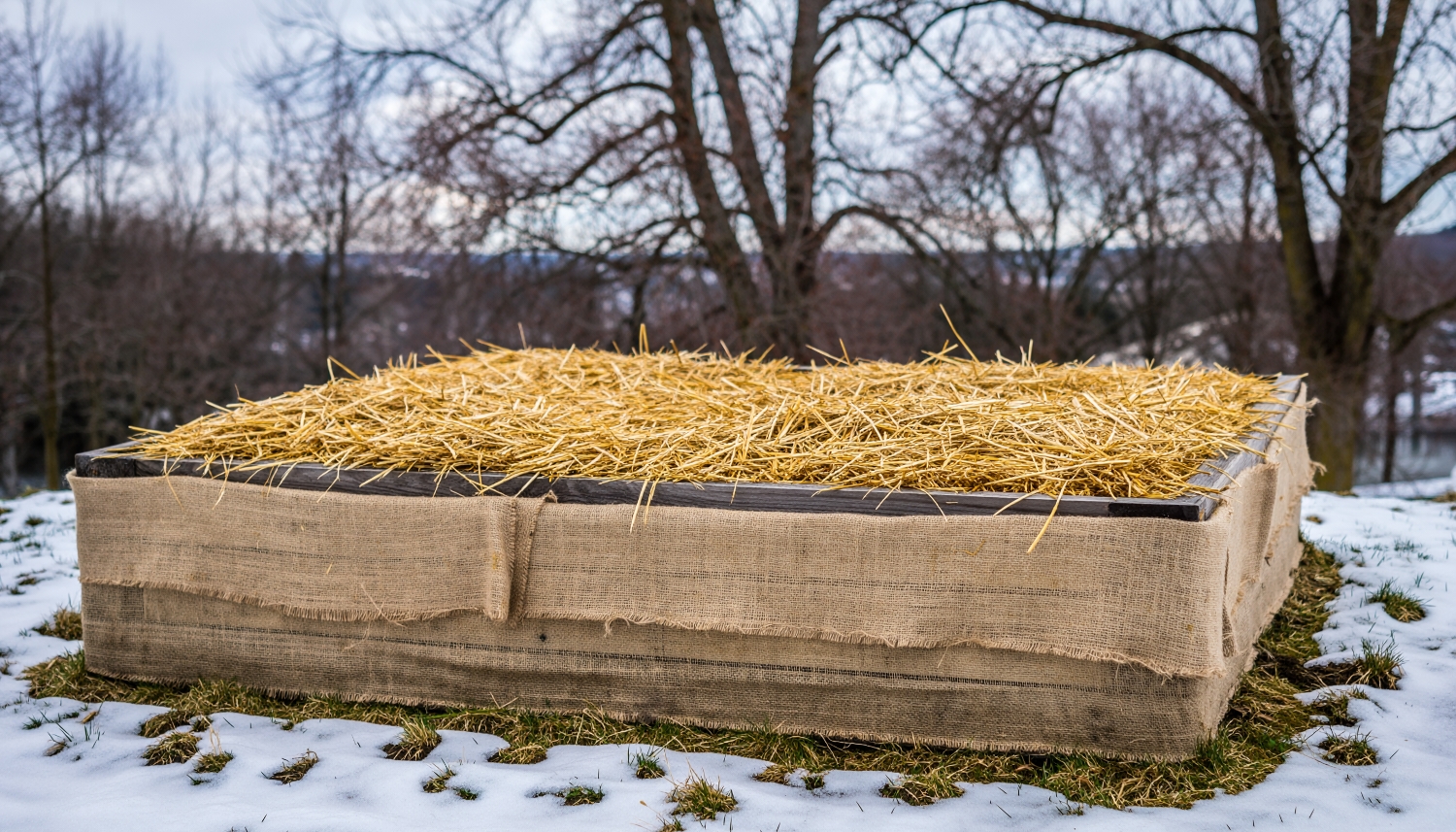
How to Protect Raised Planters in Winter: Cold-Weather Tips
Keep your raised garden beds safe through winter. Learn cold-zone strategies (mulch, covers, microclimates) to shield plants in raised planters from freezing temperatures.
Understanding USDA Hardiness Zones & Growing Seasons: A Practical, No Nonsense Guide
Understand USDA zones and growing seasons. Learn annual vs perennial basics, microclimates, and smart shopping for variety-specific hardiness.
Fall Bulb Planting For Beautiful Spring Blooms
A complete guide to planting spring-flowering bulbs in fall for vibrant spring gardens, including tips for all climates, soil preparation, and design ideas.